

KATEGORIAK
PRODUKTU NAGUSIAK
DTY
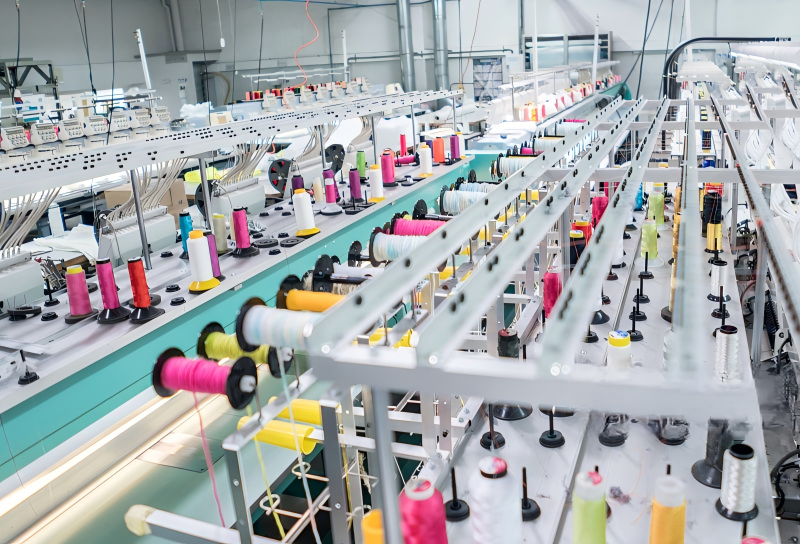
DTY (Marraztu ehundurazko haria) – Zehaztapen Teknikoak
1. Zer da DTY?
DTY (Poliesterrezko marraztutako ehundurazko haria) PET txipekin ekoitzitako poliesterrezko harizpi testuradun bat da. Prozesua abiadura handiko biraketarekin hasten da POY ekoizteko (Partzialki orientatutako haria), gero marraztu eta bihurritu faltsuko testura egiten dena. Prozesu hau eraginkorra da, kostu-eraginkorra, eta kalitate handiko haria ematen du ontziratu eta luzatzeko propietate bikainak dituena.
2. Aplika daitezkeen arauak
-
Estandar Nazionala: GB/T 14460-2015 "Polyester marraztutako ehundurazko haria" (apiriletik aurrera indarrean 1, 2016), GB/T 14460-2008 ordezkatuz.
-
Industria Araua: FZ/T 54134-2022 “Antimoniorik gabeko poliester marraztutako testurazko haria (DTY)” – Sekzio biribilari dagokio, antimoniorik gabeko DTY erdi tristea dentsitate lineal osoa duena 30 dtex to 350 dtex eta monofilament dentsitate lineala 0.5 dtex to 5.6 dtex.
DTY-n sailkatuta dago Goi-mailakoa (Lehenengoa), Lehen mailakoa, eta kualifikatua produktuak.
3. Propietate fisiko nagusiak
3.1 Dentsitate lineala (Fintasuna)
Dentsitate linealak hariaren lodiera adierazten du. Honela adierazita "dtex/f" –adib., 167 dtex/48 f esan nahi du:
-
dtex: pisua gramotan 10,000 metro hari. 167 dtex = 10,000 m pisatzen du 167 g.
-
Ukatzailea (D): beste unitate bat; bihurketa: 1 D = dtex / 1.11, beraz 167 dtex ≈ 150 D.
-
f: banakako harizpi kopurua (adib., 48 f = 48 monofilamentuak).
DTY fintasun-tarte arrunta: 15 D ~ 1000 D, harizpien zenbaketarekin 24 f to 576 f.
3.2 Tenacity hautsi
Hariak hautsi aurretik jasan dezakeen trakzio-indar maximoa, urtean adierazia cN/dtex.
-
Gutxieneko eskakizuna: oro har ≥ 3.0 cN/dtex.
-
Sorta tipikoa: 3.0 – 4.8 cN/dtex.
-
Esangura: zuzenean eragiten die ehunaren urratzeari eta urradurari erresistentziari. Iraunkortasun baxuak ehun ahulak eta maiz haustura eragin ditzake ehunduran.
3.3 Luzapena Hausturan
Hausteko unean luzapen-portzentaia.
-
Sorta tipikoa: 18% – 30% (produktu batzuk izan daitezke 25% ± 3%).
-
Luzapen txikiagoak tindaketa-uniformitate hobea ematen du normalean, indar handiagoa, eta uzkurdura handiagoa; gehiegizko luzatzeak harizpi zurrunak sor ditzake, murrizteko uzkurdura, eta tindaketa eta akabera garaian ezartzeko eta zimurtzeko zailtasunak eragiten dituzte.
3.4 Crimp uzkurdura
DTY-ren bulkiness eta elastikotasuna adierazten du.
-
DTY arrunta: oro har ≤ 20%.
-
Elastikotasun handiko sareko haria: inguruan 30%.
-
Uzkurdura handiagoak pisu handiagoa ematen du eta ehuneko esku osoagoa ematen du.
3.5 Irakiten Uraren Uzkurdura
Uzkurtze-tasa 100 °C-ko uretan tratatu ondoren.
-
Behean ehuntzeko eta tindatzeko kritikoa. Handiegiak luzera eskasia eragin dezake baina ezarpen ona; baxuegiak ezarpen txarra eta zimurrak ekar ditzake.
3.6 Olioa jasotzea (SABALA)
Olio-edukia harian, lubrifikazioa ematea, antiestatikoa, bakterioen aurkakoa, eta funtzio antioxidatzaileak.
-
Azken erabileraren arabera gomendatutako mailak:
-
Warp haria: ~%1,0
-
Puntugintza: ~%1,5
-
Tentsio handiko ehungintza (pinza, jacquard): ≥ 2.5%
-
4. Zehaztapen komunak & Parametro tipikoak
| Zehaztapena | Fintasun-tolerantzia | Tenacity hautsi | Luzapena Hausturan | Olioaren edukia | Tartekatzea (N/m) |
|---|---|---|---|---|---|
| 150D/48f | ±% 2,5 | ≥3,1 cN/dtex | Zentroaren balioa ±% 6,0 | Zentroaren balioa ±% 0,30 | Zentroaren balioa ±6,0 |
| 250D/96f | ±% 2,5 | ≥3,2 cN/dtex | M% ±% 3 | M ±% 1,2 | M ±10 |
| 300D/96f | ±% 2,5 | ≥3,0 cN/dtex | 25±% 5 | ~%2,0 | HORI 100±10 |
Oharra: “Zentroko balioa” edo “M” bezeroaren eta hornitzaileen artean adostu daiteke.
5. Aukerako Parametroak
DTY pertsonalizatu daiteke bezeroen eskakizunen arabera:
| Parametroa | Eskuragarri dauden aukerak |
|---|---|
| Distira | Super distiratsua, distiratsua, erdi-luzea, bete-gozoa |
| Zehar-ebaki forma | Biribila, hirulobala, laua |
| Tartekatze maila | Ez gurutzatuta (NIM), argia, ertaina, astuna (HORI) |
| Bihurritu | Bihurririk ez, S-bira, Z-biradura, S+Z |
| Uzkurdura | Baxua, ertaina, altua |
| Iraunkortasun maila | Baxua, normala, ertaina, altua |
Graduak tartekatzea:
-
NIM (tartekatu gabe): 0 – 10 korapilo/m
-
SIM (erdi gurutzatuta): 40 – 50 korapilo/m
-
HORI (goi-tartekatua): 100 – 120 korapilo/m
6. Aplikazio nagusiak
DTY puntuzko lehengai ezin hobea da (bai urdila zein trama) eta ehungintza. Azken erabilera nagusien artean daude:
-
Arropa: trajeak, kamisetak, kirol arropa
-
Etxeko ehungintza: edredoiak, ohe-oholak, eltxo-sareak, gortinak, sofaren ehunak
-
Dekorazioa: horma-estalkiak, automozio barruko ehunak
-
Ehungintza industriala: ekipajeen ehunak, eserlekuen estalkiak
Denier finko DTY (batez ere ebakidura hirulobala) egokia da zeta antzeko ehunetarako, denier ertaina eta lodia, berriz, artilearen antzeko ehunetarako erabiltzen da.